To keep power during KPLC blackouts you need a solar system with batteries: a hybrid or off-grid system. It switches over automatically when the grid fails and runs your essential circuits (lights, sockets, fridge, TV, Wi-Fi and security) from the battery, recharging from the sun the next day. Backup time depends on battery capacity and what you choose to run.
The lights go off. The fridge falls silent. The Wi-Fi drops mid-meeting. If you live or run a business in Kenya, you know the feeling, and you know that outages don't always come with warning or end on schedule. That's why solar backup for power outages is now one of the main reasons Kenyans install solar at all.
This guide explains how solar backup works, what it can and cannot power, how long it lasts, and how to size a system that keeps you running through KPLC blackouts without paying for more than you need.
How solar backup actually works
A solar backup system has three core parts:
- Solar panels that generate electricity during daylight.
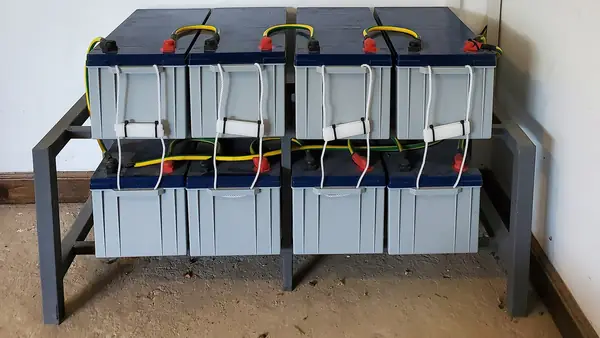
- Batteries that store energy for the evening and for outages.
- A hybrid (or off-grid) inverter, the brain of the system, which converts stored DC power into the AC power your appliances use and switches between solar, battery and grid.
When KPLC power is available, the inverter uses solar first, keeps the batteries charged, and draws from the grid only when needed. The moment the grid fails, the inverter disconnects your backed-up circuits from the grid and powers them from the batteries and panels. Modern hybrid inverters do this in milliseconds, so most appliances don't notice.
When the grid returns, the inverter reconnects automatically. You don't have to flip a switch, pull a cord or buy diesel.
Why ordinary grid-tied solar won't help
A common and costly misunderstanding: solar without batteries switches off during blackouts. Grid-tied inverters are designed to shut down when the grid fails, to protect technicians repairing the lines. If backup is your goal, make sure your quote includes batteries and a hybrid or off-grid inverter.
What can solar backup run?
Almost anything, with enough inverter capacity and battery storage. The smart question is: what do you need during a blackout? Most households find that their essentials are a short list:
| Easy to back up | Possible, but plan for it | Usually not worth backing up |
|---|---|---|
| LED lights Wi-Fi router Phone & laptop charging TV & decoder CCTV, alarms, electric gate | Fridge & freezer Water pump Microwave (short use) Iron (short use) Office printer | Electric shower Electric cooker & oven Instant water heater / geyser Large air-conditioning |
The right-hand column matters. Heating appliances draw enormous power. Putting them on your backup circuit can double or triple the inverter and battery you need. Most homes that get solar backup right do three things: back up the essentials, use gas or solar water heating for heat, and keep heavy loads on the grid-only circuit.
How long will the batteries last in a blackout?
Backup time depends on two things: usable battery capacity (in kWh) and how much power you draw (in watts). The basic arithmetic:
Backup hours ≈ usable battery capacity (Wh) ÷ average load (W)
An illustrative example: suppose your essentials (LED lights, fridge, TV, Wi-Fi router and a couple of phone chargers) average around 400 W over an evening. A battery bank with 5 kWh (5,000 Wh) of usable capacity would run that for roughly 5,000 ÷ 400 = 12.5 hours, before counting any solar recharge the next morning. Real-world results vary with inverter efficiency, the fridge's duty cycle and battery condition, which is why an installer should size this with your actual appliances.
Two terms to understand in any quote:
- Nominal vs usable capacity. Lithium batteries can typically use most of their rated capacity; lead-acid batteries should only be discharged partially to protect their lifespan. Always ask for usable kWh.
- Autonomy. This is how long the system can run without any solar input. It matters most for off-grid homes and for long outages during cloudy weather.
Sizing your blackout-proof system, step by step
- List your essential appliances and their wattage (it's on the label or manual).
- Estimate the hours each runs during a typical outage or evening.
- Add up the peak load, meaning everything that could run at once, including start-up surges from fridges and pumps. This sets the inverter size.
- Add up the energy (watts × hours) to get the watt-hours you need. This sets the battery size.
- Size the panels to recharge the battery and power your daytime loads, allowing for cloudy days.
A good installer will do this with you during the site survey, and will explain which circuits will be backed up so there are no surprises when the power goes off.
Solar backup vs generators vs inverter-only systems
| Solar + battery | Generator | Inverter + battery (no solar) | |
|---|---|---|---|
| Switch-over | Automatic, near-instant | Manual or with a changeover switch | Automatic |
| Noise & fumes | None | Yes | None |
| Running cost | Very low | Fuel & servicing | Charges from grid power |
| Long outages | Recharges every sunny day | As long as you have fuel | Runs until the battery is empty |
| Also cuts your bill | Yes | No | No |
For businesses with heavy machinery, the best answer is sometimes a combination: solar and batteries for everyday outages, with a generator kept for rare, very long ones. A hybrid inverter can manage both.
Protecting your system from surges and lightning
Outages often come with voltage surges when power returns, and parts of Kenya experience frequent lightning. Your system should include:
- Surge protection devices on both the DC (panel) and AC (grid) sides
- Proper earthing of panels, frames and inverter
- Correctly rated breakers and isolators
These components are inexpensive compared with replacing an inverter. If they're missing from your quote, ask why.
What happens in a long outage or a cloudy week?
Short outages are easy: your battery covers them and the sun recharges it the next day. Longer outages, especially during the rainy seasons, need a little more planning.
- Solar keeps recharging during the outage. Unlike an inverter-only backup, a hybrid system tops up the battery every day the sun shines, even while the grid is down. On a bright day, your panels may power the house and refill the battery at the same time.
- Cloudy days reduce the recharge. Output drops significantly under heavy cloud. If an outage coincides with several grey days, the battery will run lower than usual.
- Load management extends your backup. Many hybrid inverters and batteries let you see the state of charge on your phone. When it drops, you can switch off non-essentials such as the second TV or the water dispenser to stretch the remaining energy.
- A generator input is a useful last resort. For businesses, and for homes in areas with very long outages, a hybrid inverter that accepts generator input lets a small generator recharge the batteries only when truly necessary.
Solar backup for shops, offices and small businesses
For a business, the cost of an outage is rarely just the lights. It's the card machine that stops working, the fridge full of stock warming up, the staff standing idle, the customers who walk to the next shop. Solar backup is usually designed around a critical-loads circuit: tills and card machines, routers, a few computers, lighting, security and refrigeration. Keeping that list tight keeps the system affordable, while protecting the parts of the business that actually earn money during an outage.
The bottom line
Solar backup turns blackouts from a disruption into something you barely notice. The keys are choosing a system with batteries and a hybrid inverter, backing up the circuits that matter, sizing the battery for your real needs, and protecting the whole system properly.
Get those right and the next time your neighbourhood goes dark, your lights, fridge and Wi-Fi will keep running as if nothing happened.
Frequently asked questions
Will solar power my house during a blackout at night?
Yes, if your system has batteries. At night the batteries supply your backed-up circuits. How long they last depends on battery capacity and the appliances running.
How fast does a solar backup system switch over when power goes?
Most modern hybrid inverters switch in milliseconds, fast enough that lights, TVs and Wi-Fi routers keep running. Very sensitive equipment such as desktop computers may still benefit from a small UPS.
Can solar backup run my electric shower or cooker?
It can, but it is usually not worth it. These loads are very large and would need a much bigger inverter and battery. Most homes back up essentials and use solar water heating or gas for heat.
Is solar backup better than a generator?
For everyday outages, solar backup is silent, automatic, needs no fuel and has lower running costs. Generators still make sense for very long outages or heavy loads, and some systems combine both.
Can I add batteries to my existing solar system for backup?
Often yes, but it depends on your current inverter. A grid-tied inverter cannot use batteries, so you may need a hybrid or battery inverter. An installer can check your equipment.
How big a battery do I need for a KPLC blackout?
Add up the watts of the appliances you want to keep running and multiply by the hours of backup you want. That gives the watt-hours of usable battery capacity you need. An installer should then add a margin for inverter losses and battery ageing.
BrightSun Solar designs and installs solar power, battery backup, solar water pumping and solar water heating for homes, businesses, farms and institutions in Nairobi and across Kenya. Installations are carried out by EPRA-licensed technicians. Why customers choose us.
Make your home blackout-proof
Tell us about your property in 60 seconds. We'll reply on WhatsApp with next steps and book a free site survey.